Your nail shape does more than you think.
It changes the proportions of your fingers. It shifts how polish colors read on your hands. It determines whether your manicure lasts three days or three weeks. And most people pick theirs based on a Pinterest screenshot without thinking about any of that.
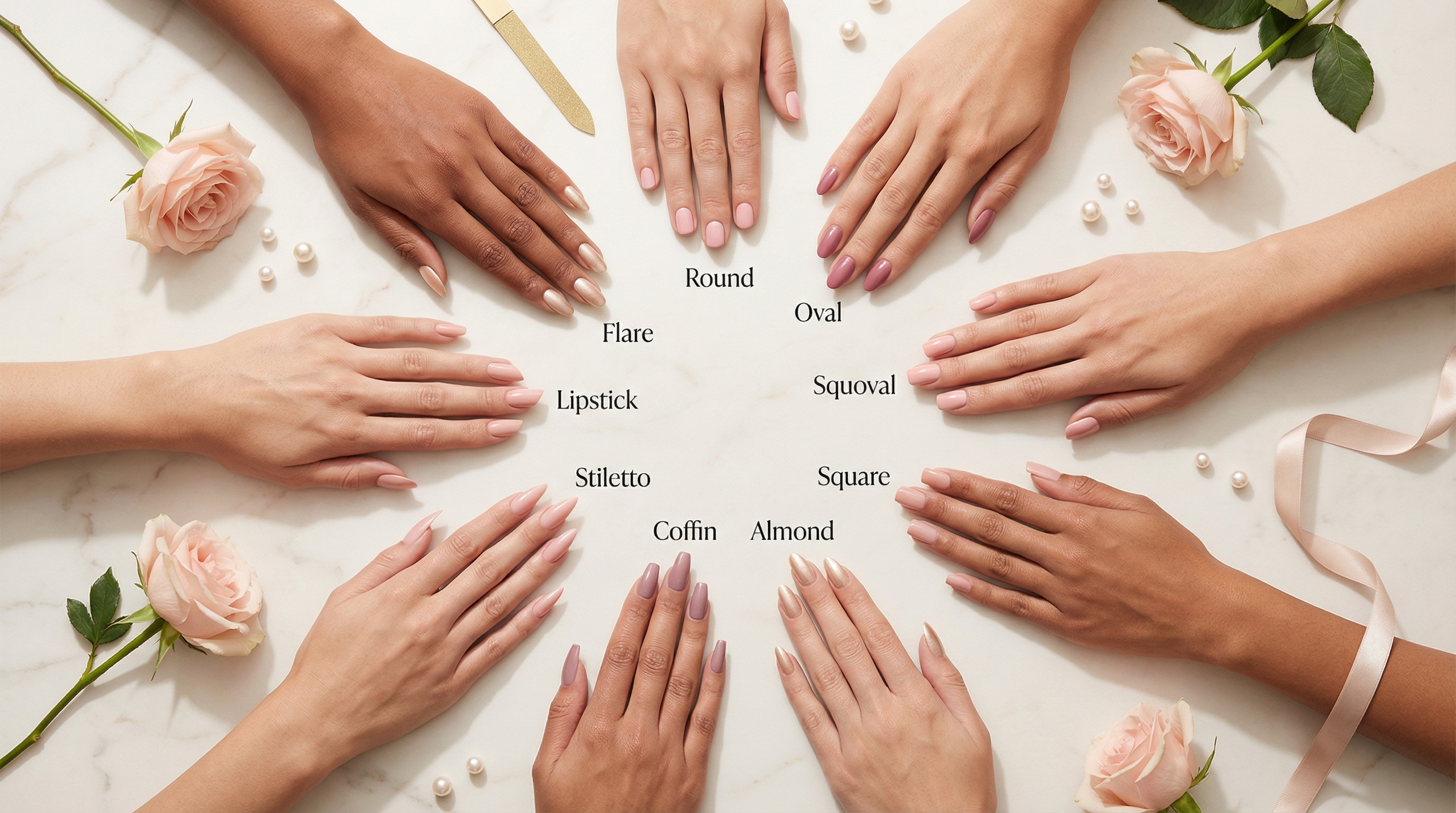
I get it. There are at least ten recognized nail shapes floating around salons right now, and the differences between some of them are so subtle that even nail techs argue about where one ends and another begins. Coffin versus ballerina. Almond versus oval. Round versus squoval. The terminology alone is enough to make you give up and ask for "whatever looks good."
But here's what I've learned after spending way too much time studying hands: the right nail shape can make short fingers look longer, wide nail beds look narrower, and a simple nude manicure look like it costs twice what you paid. The wrong one does the opposite.
So let's sort this out. Every major nail shape, what it actually does for your hands, and how to figure out which one belongs on yours.
How Nail Shapes Actually Work
Before we get into the individual shapes, you need to understand the two variables that matter.
<strong>Width at the tip.</strong> Some shapes taper to a point (almond, stiletto). Others maintain the full width of your nail bed (square, squoval). Tapered tips make fingers look longer and slimmer. Wider tips add visual weight.
<strong>Corner treatment.</strong> Sharp corners (square) versus rounded corners (oval, round) versus no corners at all (almond, stiletto). Rounded corners are less prone to snagging and breaking. Sharp corners give a cleaner, more structured aesthetic. But they also chip faster if you type all day or work with your hands.
That's it. Every nail shape is some combination of these two things. Once you understand the spectrum, picking your shape becomes a lot less mysterious.
The 10 Nail Shapes, Ranked by Wearability
1. Round Nails
The most natural shape. You follow the curve of your cuticle at the tip, keeping the length short. No filing into dramatic angles. No maintenance anxiety.
Best for: Short nail beds, wide fingers, anyone who needs zero-fuss nails that won't catch on anything. Nurses, climbers, chefs, and people who text aggressively all pick round for a reason.
The trade-off: Round nails don't elongate your fingers. If your nail beds are already short, round shapes can make them look stubbier. They're practical, not glamorous.
Styling tip: Round nails look their best in clean, saturated colors. Think cherry red, deep burgundy, crisp white. Skip the nail art on round shapes. Let the color do the work.
2. Oval Nail Shape
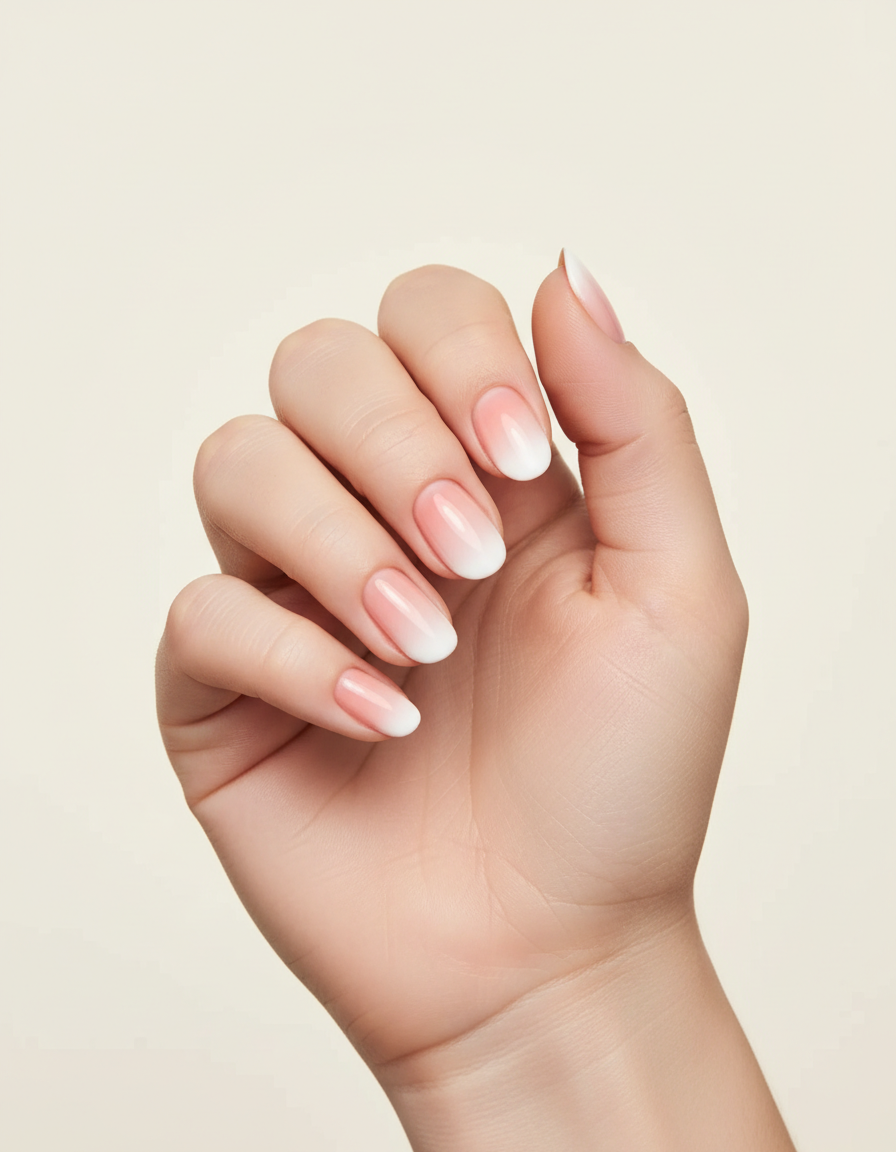
Take round nails and file the sides inward slightly so the tip is narrower than the base. That's oval. It's the shape that flatters the widest range of hand types, which is why nail professionals default to it more than any other shape.
Best for: Wide nail beds, short fingers, anyone who wants their hands to look a bit more elegant without committing to anything dramatic. Oval is the "I look put-together but I didn't try too hard" shape.
The trade-off: Oval nails need a bit of length to read correctly. If you file them too short, they just look round. You need about 2–3mm of free edge for the oval taper to show.
Styling tip: Oval nails handle everything. Nudes, French tips, pastels, dark moody tones. They're the most versatile canvas for nail art because the proportions stay balanced at almost any length.
3. Squoval Nails
File a square shape, then gently round the corners. You get the structured look of square without the sharp edges that catch on sweaters and hair. Around 40% of salon clients end up with squoval whether they ask for it or not, because most techs round the corners of a square shape by default.
Best for: People who like the look of square nails but break them constantly. Squoval is the compromise shape. It works on most hand types and holds up well in daily life.
The trade-off: It's safe. Maybe too safe. Squoval won't turn heads the way a well-done almond or coffin will. It's the beige sedan of nail shapes. Reliable. Not exciting.
4. Square Nails
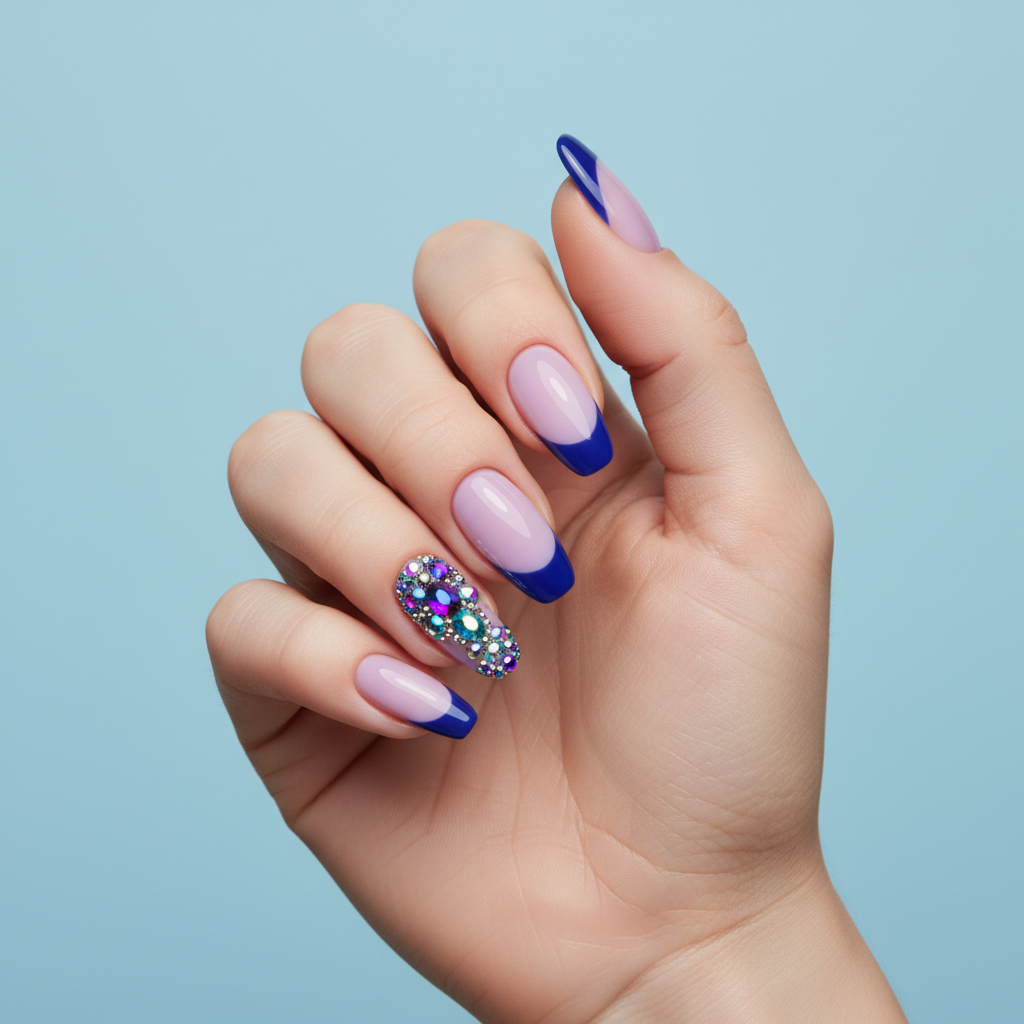
Straight sides, flat top edge, sharp 90-degree corners. No rounding. This was the dominant shape of the early 2000s, and it's been making a quiet comeback since 2024, particularly on shorter lengths.
Best for: Narrow nail beds and long fingers. Square nails add width, so if your fingers are naturally slim and elongated, square shapes create proportion. On wide nail beds, square nails can look boxy.
The trade-off: Those sharp corners break. A lot. If your nails are natural (no gel or acrylic reinforcement), square shapes at medium to long lengths will frustrate you. The corners are stress points.
Styling tip: Short square nails with a glossy finish look incredibly modern right now. Think 8–10mm total nail length, clean edges, single bold color. No need for length to make this shape work in 2026.
5. Almond Nails
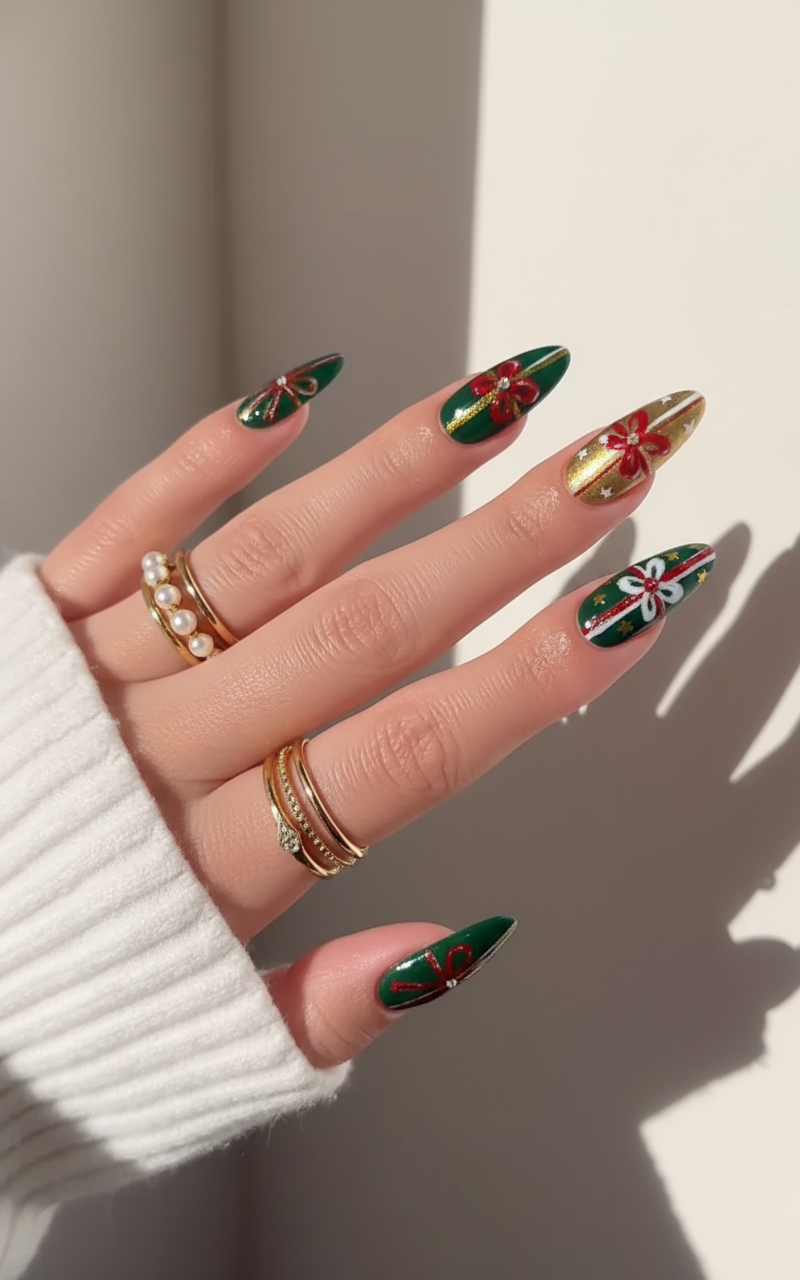
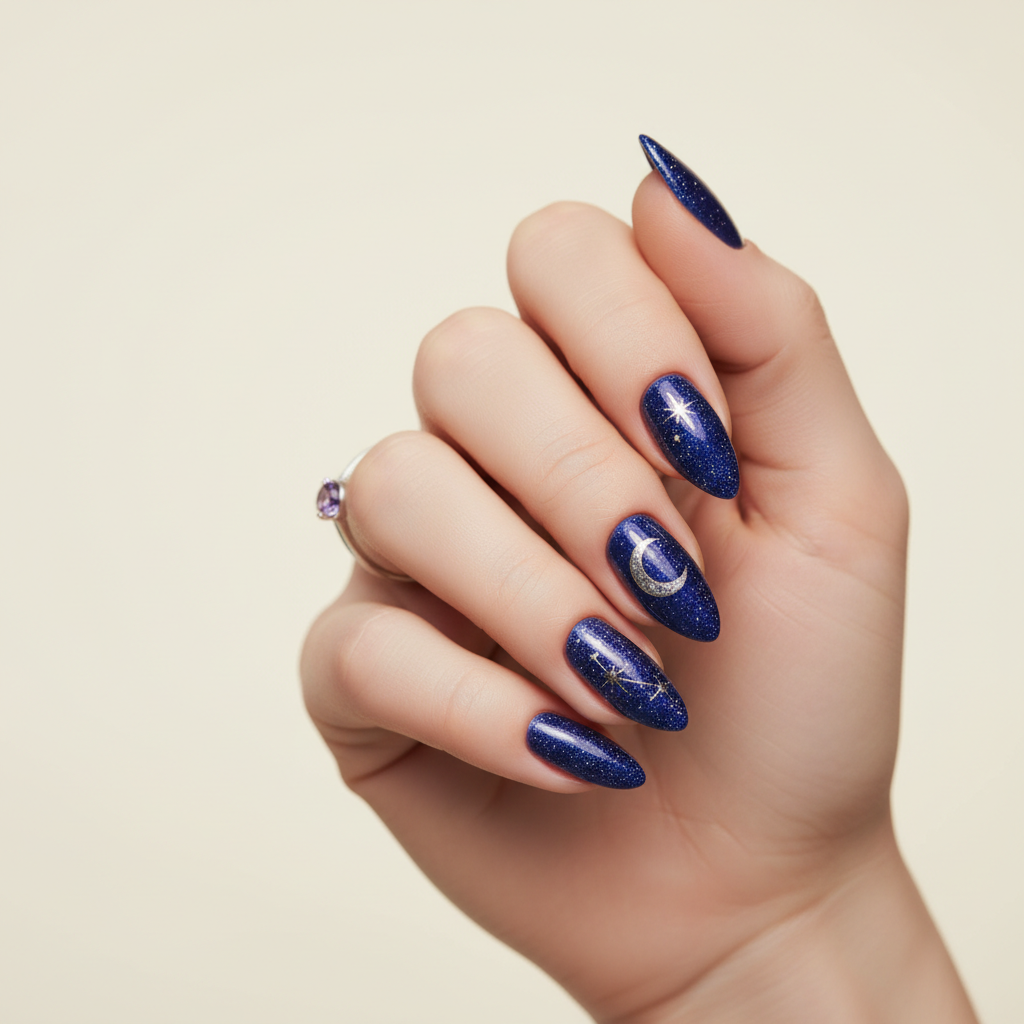
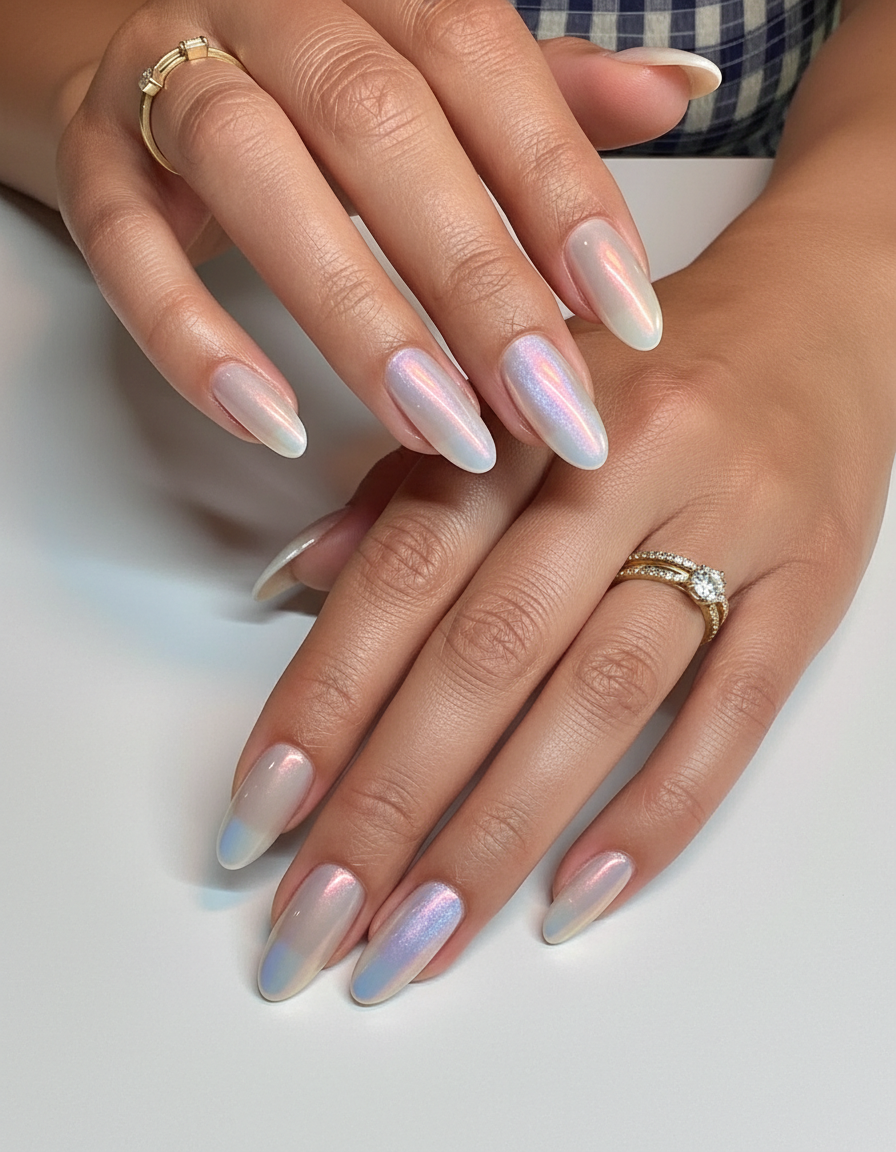
Almond is where nail shapes start getting interesting. File both sides inward toward a soft, rounded peak at the center. The silhouette mimics the shape of an actual almond — wide at the base, narrowing to a gentle point.
Best for: Almost everyone, honestly. Almond is the most universally flattering shape for elongating fingers and slimming the appearance of hands. Wide nail beds look narrower. Short fingers look longer. It photographs beautifully, which is why it dominates Instagram and Pinterest.
The trade-off: You need length. Almond nails require at least 4–5mm of free edge to show the taper properly. Natural nails can pull this off, but they're more fragile in almond shape because the sides are filed thinner. Gel or builder gel helps.
Styling tip: Almond nails in a milky nude or soft pink with a glossy finish is the single most-requested look across US and European salons right now. It reads as expensive. If you want nail art, almond shapes also give you the most surface area to work with at a flattering proportion.
6. Coffin Nails
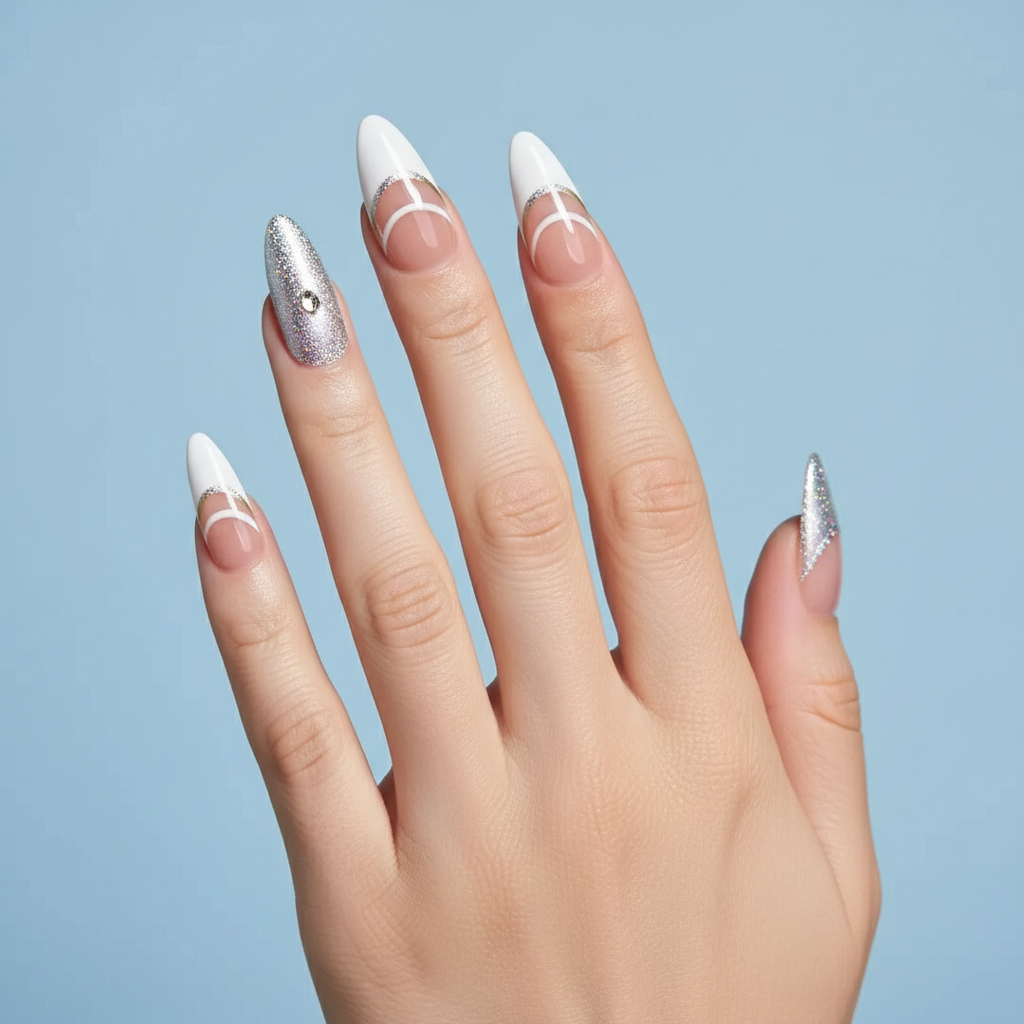
File an almond shape, then cut the tip flat instead of leaving it pointed. The result looks like a coffin from above, or a ballerina's pointe shoe from the side, depending on how morbid you're feeling. Coffin nails exploded around 2016 and haven't really gone away.
Best for: Long, narrow nail beds. Coffin nails need significant length to work. At short lengths, the flat tip looks awkward because there isn't enough taper to create the silhouette. Plan for at least 6–8mm of free edge, which usually means acrylics or hard gel extensions.
The trade-off: Maintenance. Coffin nails at proper length are almost always extensions, which means fills every 2–3 weeks and a higher risk of damage to natural nails if removed incorrectly. The flat tip is also a stress point that can crack under pressure.
Styling tip: Coffin nails are the shape for statement manicures. Ombre fades, chrome finishes, encapsulated glitter, 3D nail art. The flat tip gives a unique surface for designs that other shapes can't replicate. If you're going coffin, go bold.
7. Stiletto Nails
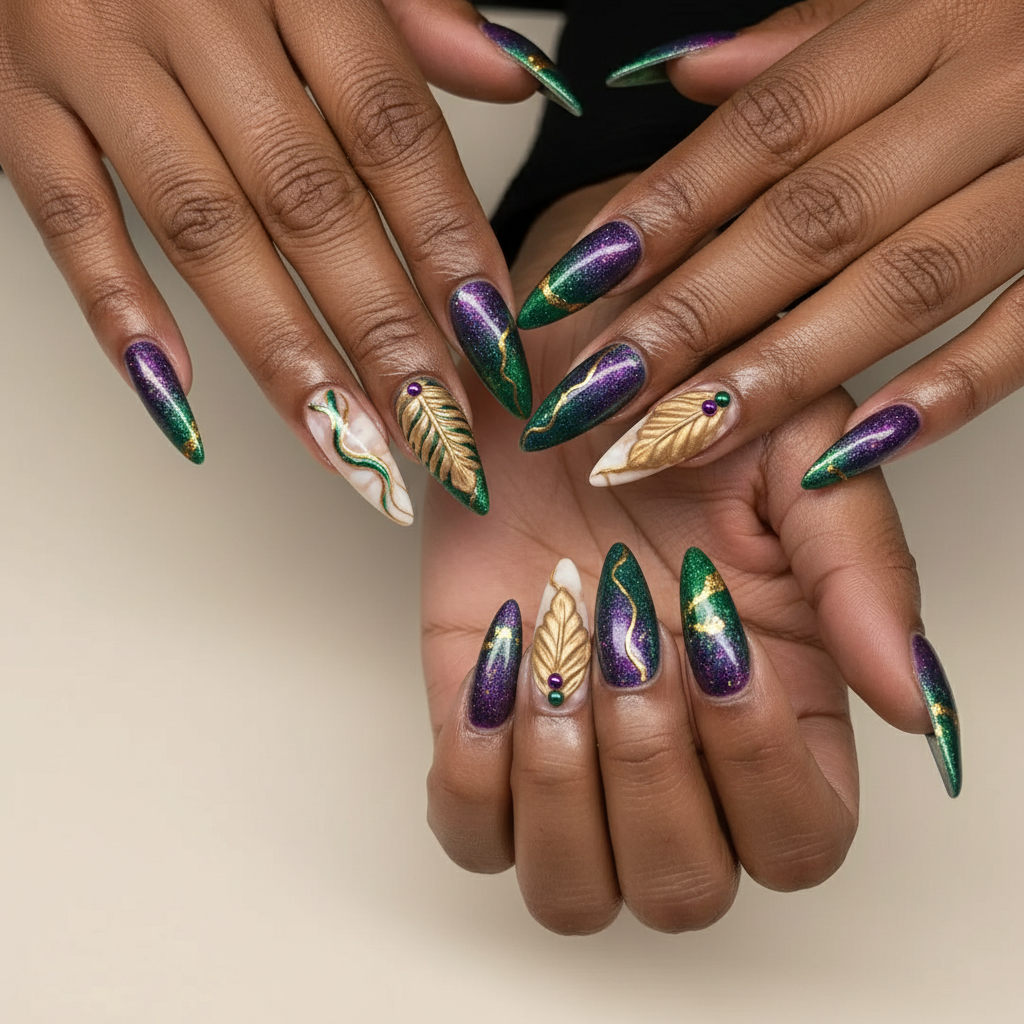
Almond's dramatic sibling. Both sides filed aggressively inward to a sharp, defined point. This is the nail shape that makes people nervous at the grocery store.
Best for: Events, photoshoots, editorial looks, anyone who wants maximum visual impact and doesn't need to open a soda can for the next week. Stiletto nails on long fingers create an undeniably striking silhouette.
The trade-off: Functionality drops to near zero. Typing is harder. Picking things up requires strategy. The sharp point is structurally weak on natural nails, so stilettos are almost always acrylic or hard gel. And they break with zero warning if you catch them on something.
My honest take: Stiletto nails are beautiful to look at but impractical for daily life. If your job involves any kind of manual work, skip them. If you have a party on Saturday and nothing to do Sunday, go for it.
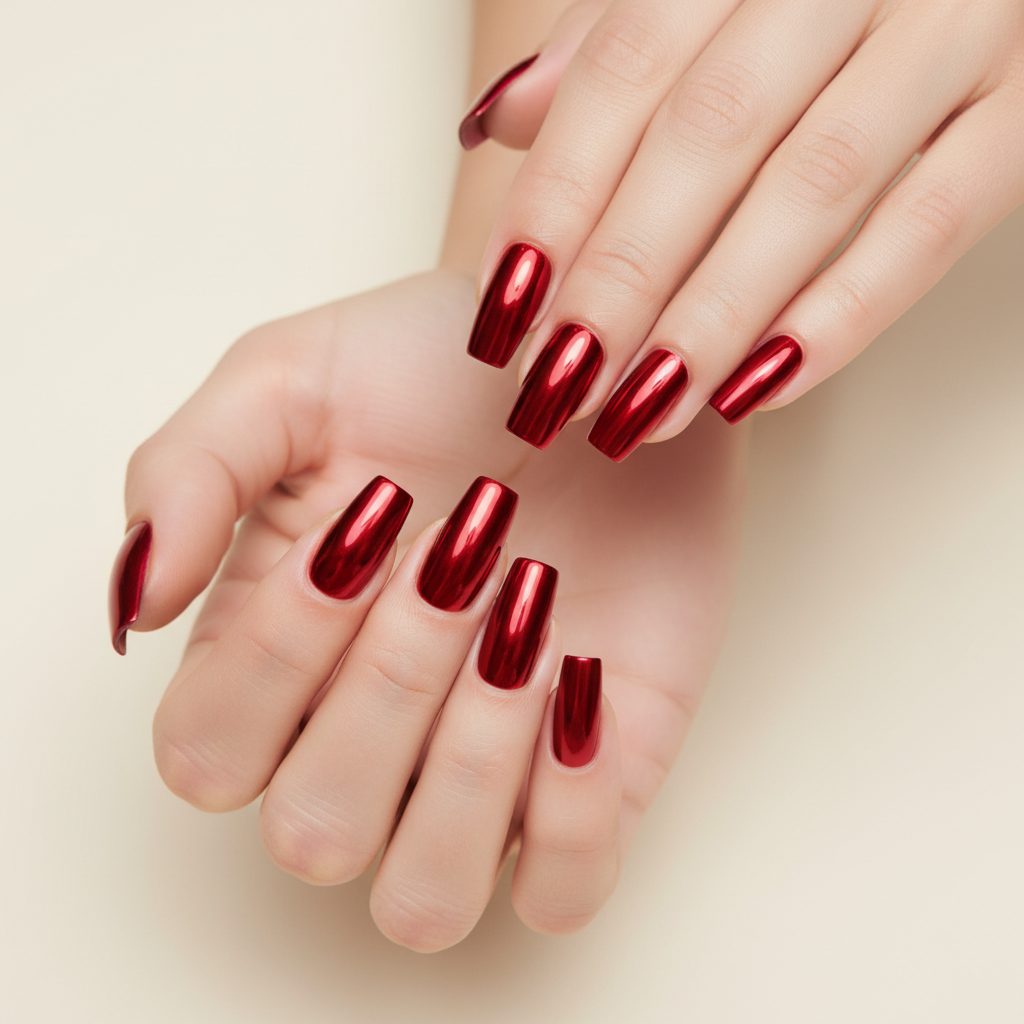
8. Lipstick Nails
An asymmetrical shape where the tip is filed at an angle, like a fresh tube of lipstick. One side of the nail is longer than the other. It's unusual, and that's the entire point.
Best for: People who are bored with every other shape on this list and want something that starts conversations. Lipstick nails look best at medium length on oval or almond base shapes.
The trade-off: Hard to file yourself. Even some nail techs find the asymmetry tricky to get even across all ten nails. If the angles don't match, it looks like a mistake rather than a choice.
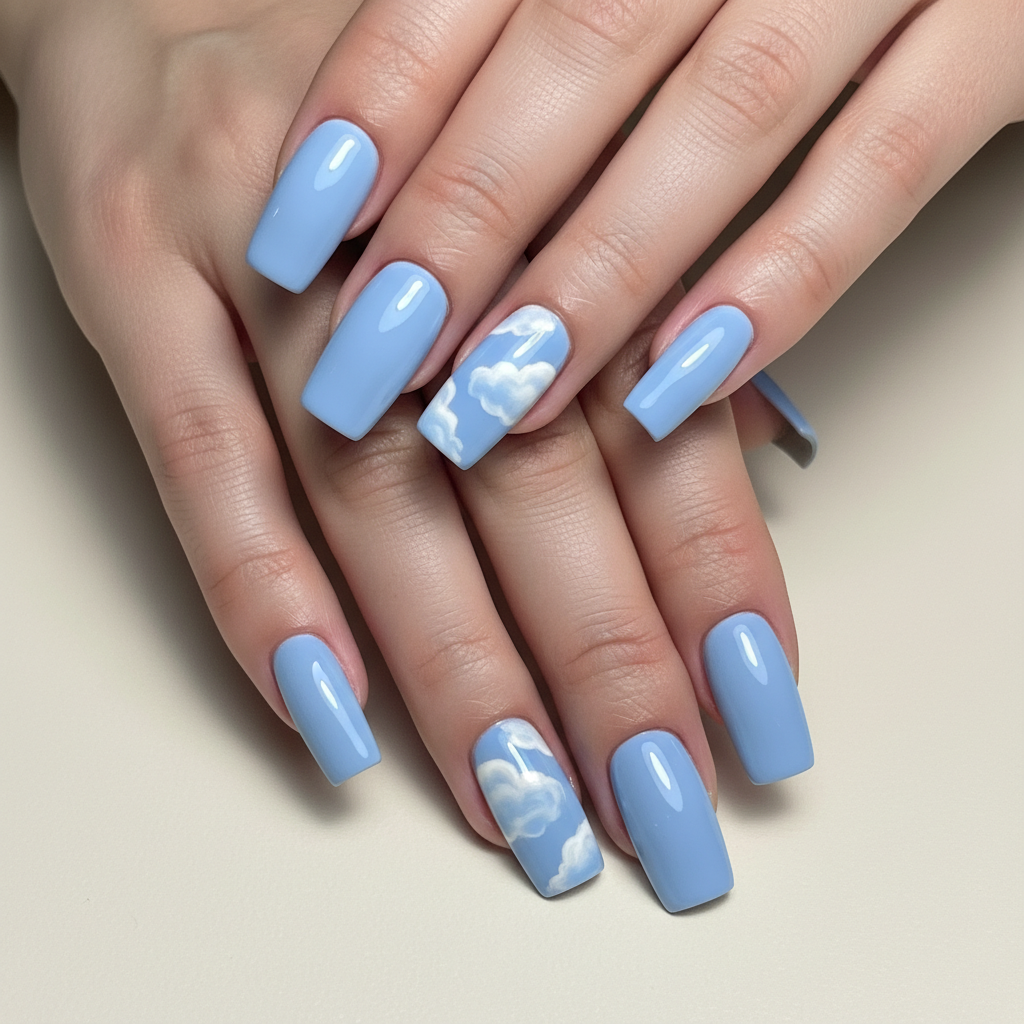
9. Flare Nails
The sides fan outward so the tip is wider than the base. Yes, on purpose. Flare nails come from the competition nail art world and occasionally cross into mainstream fashion, though they've never fully caught on with everyday clients.
Best for: Artistic expression. Nail art competitions. Instagram content where the shape IS the content. These aren't practical nails. They're wearable art.
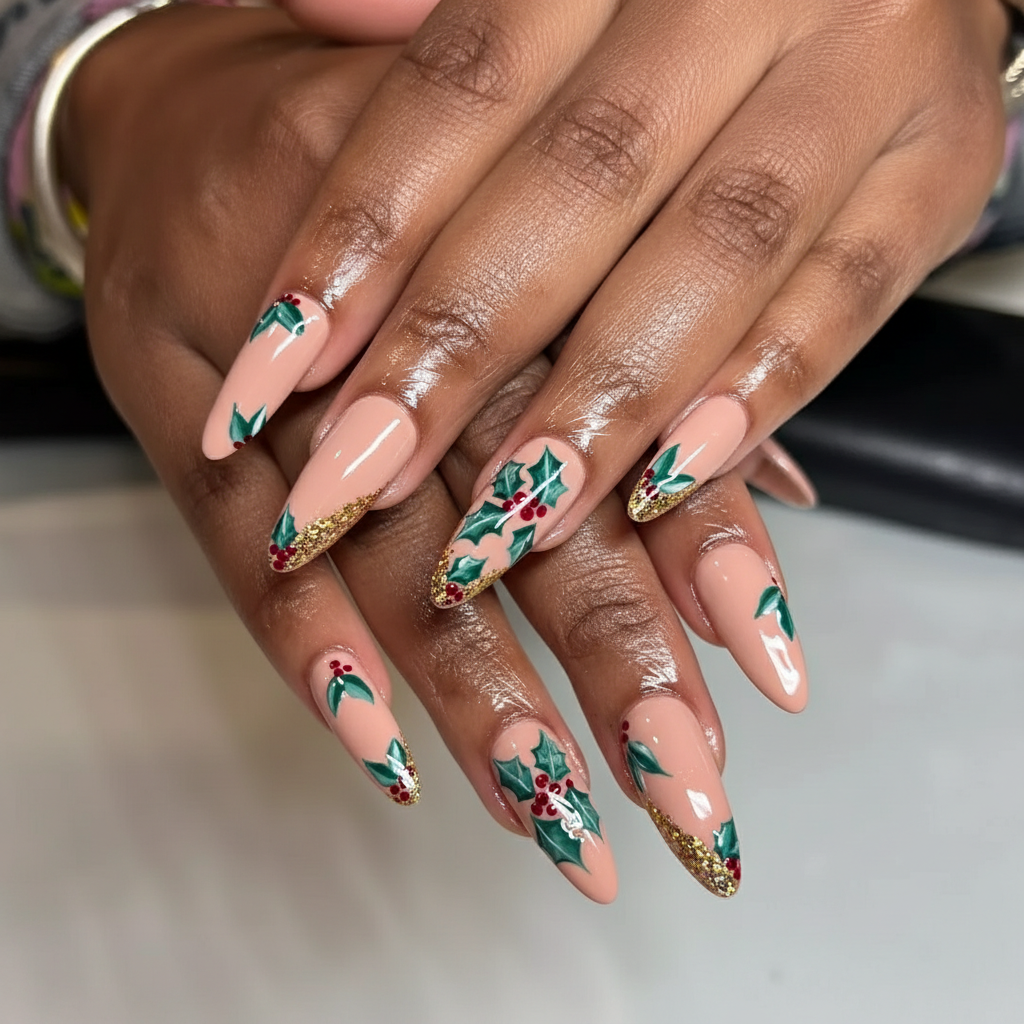
10. Edge Nails
A sharp ridge runs down the center of the nail from cuticle to tip, creating a three-dimensional peaked shape — like the roof of a house. Edge nails require thick acrylic or gel to sculpt the ridge and are almost exclusively found in competition settings.
Best for: Nail competitions and editorial shoots. You will not see these at brunch. And you shouldn't try to make them happen at brunch.
How to Choose: A Practical Framework
Stop looking at Pinterest and start looking at your hands.
Check your nail bed width
Hold your hand at arm's length and look at one fingernail straight on. Is the nail wider than it is long? Go with a shape that tapers: oval, almond, or coffin. Is it longer than it is wide? You can handle shapes that maintain width: square, squoval, round.
Consider your finger length
Short fingers benefit from elongating shapes (oval, almond). Long fingers can wear anything, but square and round add appealing proportion.
Be honest about your lifestyle
Do you type eight hours a day? Square corners will drive you crazy. Do you work with your hands, cook, garden, climb? Keep it short, keep it rounded. Is your only physical demand lifting a wine glass? Stiletto away.
Factor in maintenance tolerance
Natural nails work well for round, oval, squoval, and short square. Almond at medium length is doable with gel reinforcement. Coffin, stiletto, and anything beyond medium length usually requires extensions and regular fills.
The Shapes NailArk Recommends for 2026
Three shapes are standing out this year.
Short square
Short square is having a genuine moment. Not the long square nails of 2003. Short, clean, sharp edges at minimal length. It reads modern and confident, and it works on natural nails without reinforcement. Pair it with a single bold color.
Almond at medium length
Almond at medium length remains the most-requested shape for good reason. It flatters nearly every hand type and bridges the gap between practical and polished. If you've never tried almond, this is the year.
Oval
Oval continues to be the quiet workhorse of the nail world. Nothing trendy about it. Nothing dated either. Oval nails with a glossy nude finish will look as good in 2030 as they do today.
Your Nail Shape, Your Rules
Here's what matters more than any guide, including this one: wear what makes you feel good. The "rules" about which shapes flatter which hands are guidelines, not laws. If coffin nails make you happy and you don't mind the maintenance, wear coffin nails on short, wide fingers. Nobody's checking your proportions at the coffee shop.
But if you're standing in a salon not knowing what to ask for, and the tech is waiting, and you want something that works? Ask for almond at medium length with a glossy finish. It works on everybody. And then explore from there.
Your nails, your rules. NailArk is here with the inspiration whenever you need it.